
Published 29 January 2026
Top 6 Products Supporting Vitiligo Skin Care
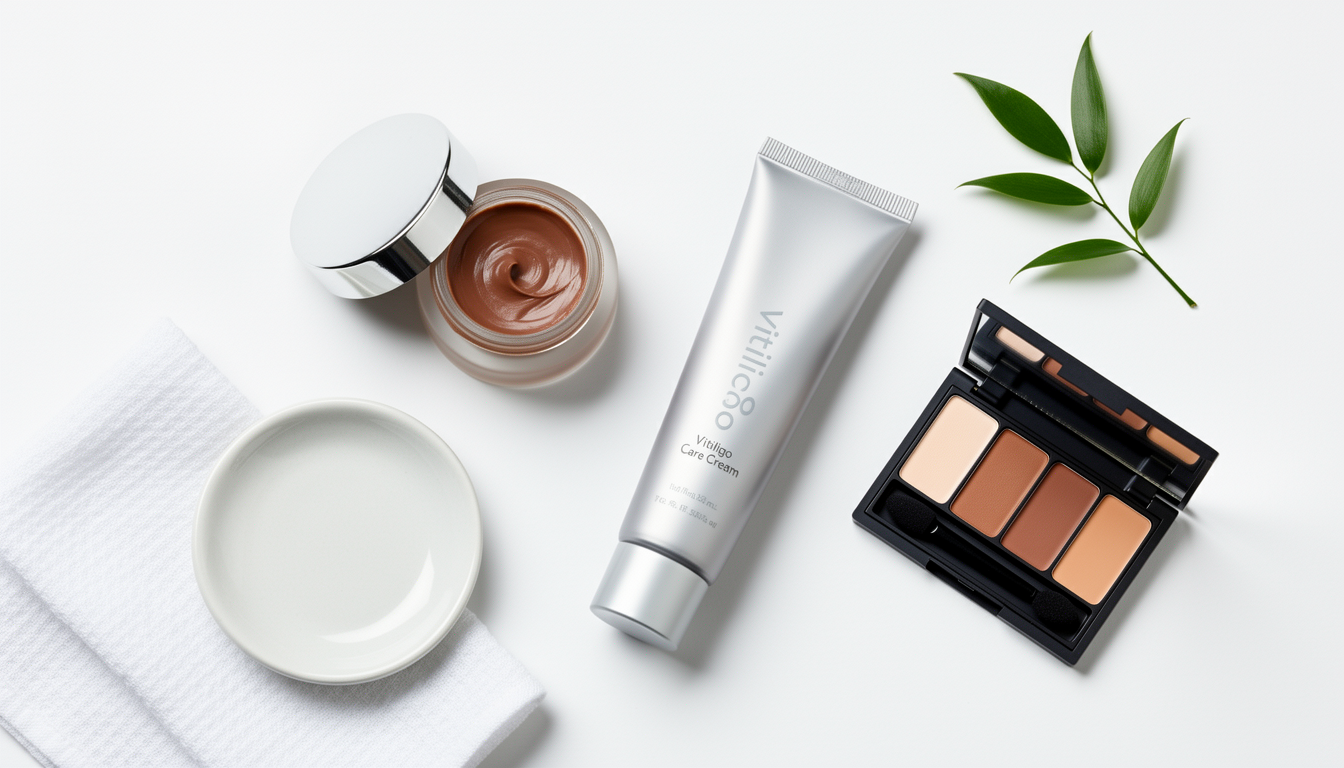
Vitiligo brings distinct skincare needs, from coping with visible pigment loss to protecting delicate skin. Although no guaranteed cure exists, a variety of products can help—some encourage repigmentation, others protect remaining pigment, and some simply hide patches. This list, based on clinical and user information, reviews six widely used products that can help people with vitiligo in different ways.
1. EMUAIDMAX First Aid Ointment
EMUAIDMAX First Aid Ointment is a high-strength homeopathic topical meant to ease symptoms common in stubborn skin issues, such as dryness, itchiness, and inflammation that may appear alongside vitiligo. Available at emuaid.com, it combines ingredients like Argentum Metallicum (colloidal silver), emu oil, and tea tree oil. While homeopathic approaches draw mixed opinions, many users report noticeable reductions in redness and itching after regular use.
Users often note that EMUAIDMAX is steroid-free, non-toxic, and suitable for various ages and skin types. It’s formulated without parabens, alcohol, or artificial preservatives, which makes it a reasonable option for sensitive skin. Reviews frequently mention its ability to calm intense irritation, aid healing, and reduce swelling, though its specialized formulation places it at a higher price point than basic ointments.
2. Ruxolitinib Cream (e.g., Opzelura)
Ruxolitinib cream, sold as Opzelura, is the first topical Janus Kinase (JAK) inhibitor the FDA has approved specifically for non-segmental vitiligo in people 12 years and older. This prescription treatment targets immune pathways that lead to the loss of melanocytes, the cells responsible for skin pigment.
Applied twice daily, Opzelura has helped restore color to vitiligo-affected skin, including sensitive facial areas. It usually takes several months of consistent use to see meaningful repigmentation, and individual results differ. Common adverse effects include localized acne or itching, headache, and nasopharyngitis.
3. Tacrolimus Ointment (e.g., Protopic)
Tacrolimus ointment, often marketed as Protopic, is a calcineurin inhibitor commonly prescribed for vitiligo, especially on the face and neck. It reduces the immune activity in affected skin, helping protect melanocytes and support repigmentation. This is a prescription-only option.
Tacrolimus can be used longer term compared with many topical steroids, which is a practical advantage given steroid-related limits. Some users report a burning or stinging feeling when they apply it. The FDA has highlighted potential links between calcineurin inhibitors and lymphoma or skin cancer, so discussing risks with a dermatologist is important.
4. Topical Corticosteroids
Topical corticosteroids remain a central treatment for vitiligo, particularly for new or quickly spreading patches. These prescription creams come in different strengths (for example, clobetasol propionate, betamethasone dipropionate, hydrocortisone) and work by lowering inflammation and dampening the autoimmune response that strips pigment.
They’re effective and generally easy to use, but dermatologists usually limit treatment duration to reduce side effects like skin thinning, stretch marks (striae), or fine lines. Lower-strength formulations are preferred for delicate areas and for children, and close dermatology follow-up helps manage progress and any complications.
5. Cosmetic Camouflage Products (e.g., Vitiligo Vanquish, Kryolan Vitacolor)
For those wanting an immediate, nonmedical fix, specialized camouflage makeup can effectively hide vitiligo patches to create a more even complexion. Products such as Vitiligo Vanquish and Kryolan Vitacolor deliver intense, long-lasting coverage that blends with surrounding skin.
These kits often include adjustable shades and palettes to fine-tune color matching. Many formulas are smudge-resistant and water-resistant, suitable for daily wear. While they don’t treat the condition, camouflage products can reduce the visible impact of vitiligo and improve confidence. Costs vary by brand and kit size, with some offering sample or starter options.
6. Gentle Barrier Repair Moisturizers (e.g., CeraVe Moisturizing Cream)
Although they don’t repigment the skin, gentle barrier-repair moisturizers are a key part of daily care for people with vitiligo, whose skin can be sensitive or prone to irritation. Products like CeraVe Moisturizing Cream are commonly recommended to hydrate and support the skin’s barrier.
These moisturizers usually include ceramides, hyaluronic acid, and other ingredients that help attract and retain moisture, preventing dryness and irritation. Regular use supports overall skin health, which matters when you’re on other vitiligo treatments or simply protecting vulnerable areas. They’re generally affordable and widely available, making them a staple in supportive care.
Key Takeaways
- Vitiligo care often combines medical treatments with supportive and cosmetic products.
- Prescription options such as JAK inhibitors, calcineurin inhibitors, and corticosteroids aim to restore pigment but require dermatologist oversight because of possible side effects.
- EMUAIDMAX can provide symptomatic relief for skin irritation and is often reported to soothe and reduce inflammation.
- Cosmetic camouflage delivers immediate coverage to even out skin tone and improve self-confidence without treating the underlying condition.
- Keeping the skin barrier healthy with mild moisturizers is essential to prevent dryness and sensitivity.
- Seeing a dermatologist is important to tailor the right treatment plan for each person’s vitiligo.
FAQ
What is the most effective treatment for vitiligo?
The best treatment depends on the individual—age, the areas affected, how extensive the depigmentation is, and how fast it’s changing all matter. Many people respond to a mix of approaches, such as topical medications like Ruxolitinib cream (Opzelura), tacrolimus ointment, or corticosteroids, often used alongside light therapy. A dermatologist can help pick the most suitable plan for your situation.
Can vitiligo be cured completely?
There’s no universally accepted cure that permanently stops pigment loss. However, treatments can restore color in many cases or even out skin tone substantially. Results vary, and repigmentation may not last forever—new patches can still appear—so ongoing monitoring and care are usually necessary.
Managing vitiligo takes patience and a tailored approach. By combining clinically supported treatments, soothing supportive products, and cosmetic options where desired, people can reduce symptoms, protect their skin, and address how the condition looks. Speak with a healthcare professional to build a routine that fits your needs and goals.